


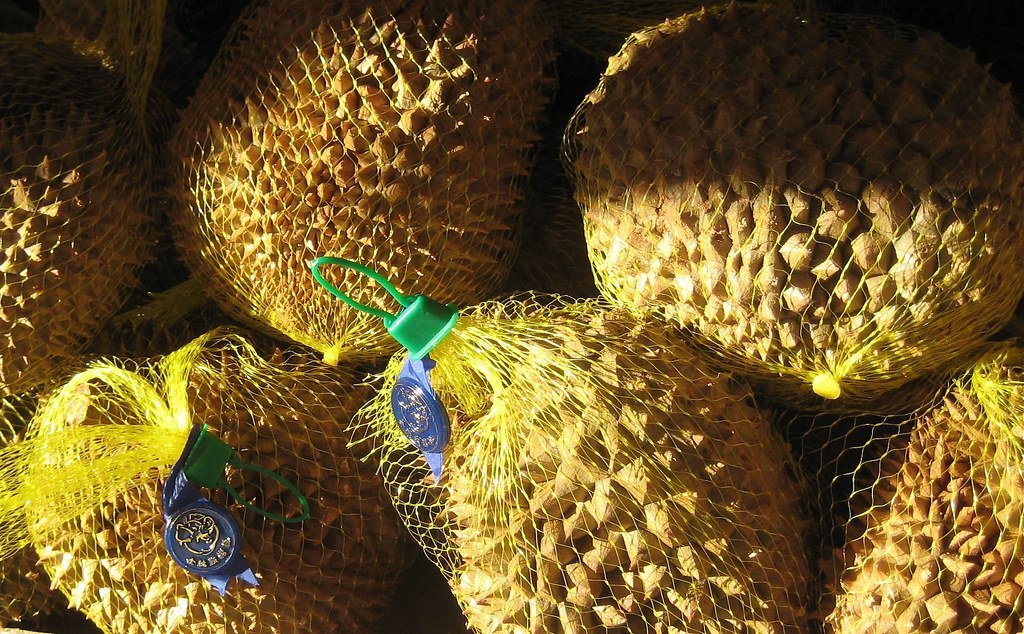
Harvesting is the most critical phase in the durian cultivation cycle — done right, it preserves fruit quality, ensures optimal yield, and maximizes your return on investment. Done poorly, it can lead to damaged fruit, wasted yield, and unhappy customers. For commercial durian farmers in Malaysia, understanding optimal harvesting timing, methods, post‑harvest handling, and logistics is a must for success.
This comprehensive guide covers when and how to harvest durians, post-harvest protocols, sorting and transportation, plus tips to protect fruit quality from orchard to buyer.
Table of Contents
Why Harvesting Matters for a Commercial Durian Farm
-
- Fruit quality & taste depend on timing — overripe or prematurely harvested durians can be bland or spoiled.
-
- Minimizing losses — cracked or damaged fruit reduces market value.
-
- Efficient logistics — durian’s short shelf‑life requires fast, careful handling.
-
- Market reputation — consistently good quality builds trust with buyers and consumers, critical for repeat business and export markets.
As demand for premium Malaysian durians (such as Musang King) grows, harvesting practices can make or break your farm’s profitability.
When Is Durian Ripe: Recognizing Harvest Indices
Identifying the right moment to harvest is both art and science. Key signs to watch:
1. Natural Drop — the Traditional Malaysian Method
n Malaysia, the standard practice is to allow durians to ripen fully on the tree and drop naturally. Once mature, they detach at the abscission zone — the point where the stem connects to the branch — and fall to the ground.
Many durian lovers believe that naturally fallen durians yield the best taste and texture — creamy, pungent, and at peak ripeness.
2. Visual & Physical Ripeness Indicators
-
- Spike color: Mature fruits show a duller, yellowish-green hue.
-
- Cracking at seams: Slight hairline cracks at the fruit’s seams may indicate ripeness.
-
- Bulging stem base: The abscission zone begins to swell, signaling the stem is loosening.
3. Sound and Aroma
-
- Hollow sound: When tapped, ripe durians produce a deep, hollow sound.
-
- Scent: A faint durian aroma may be detectable at the bottom or stem.
4. Time After Flowering
Different varieties have different maturation times:
-
- Musang King: ~110–120 days after flowering
-
- D24: ~100–110 days
-
- Black Thorn: ~130 days
Track flowering dates to plan harvest accordingly.
Three Common Durian Harvesting Methods
1. Natural Drop Collection
Fruits fall when fully ripe and are collected from the ground.
Advantages:
-
- Peak ripeness and full aroma
-
- Preferred for local, high-end consumers
-
- Low labour input
Disadvantages:
-
- Risk of impact damage or cracking
-
- Must collect quickly to avoid spoilage
-
- Dangerous for workers—falling durians can cause injury
Tip: Lay nets, tarps, or cushions under trees to minimize damage.
2. Net Catching (Controlled Drop)
Nets or catch canopies are installed under trees to catch falling durians gently.
Advantages:
-
- Prevents cracking and bruising
-
- Preserves natural ripeness
-
- Safer for workers
Disadvantages:
-
- Setup cost
-
- Requires regular maintenance and inspection
-
- Limited capacity during heavy harvests
3. Manual Clipping
Fruits are clipped or cut from the tree before natural drop, using long poles or by climbing.
Advantages:
-
- Prevents fall damage
-
- Extends shelf life
-
- Suitable for exports and distant deliveries
Disadvantages:
-
- May be slightly less ripe
-
- Requires skill and labour
-
- Lower aroma intensity
Post-Harvest Handling: Maintaining Durian Quality
Durian has a short shelf life once harvested. Efficient and hygienic handling is essential.
Step 1: Immediate Collection
-
- Collect fruits twice a day during peak season: early morning and late afternoon.
-
- Use gloves and avoid tossing or dropping the fruit.
Step 2: Sorting and Grading
-
- Sort by variety (e.g. Musang King, D24, Black Thorn)
-
- Grade based on:
-
- Fruit size and weight
-
- Husk condition (no cracks or bruises)
-
- Stem condition (intact, clean cut)
-
- Grade based on:
Discard or set aside cracked, damaged, or overripe fruits for processing.
Step 3: Cleaning
-
- Do not wash with water—moisture promotes rot.
-
- Wipe the husk with a dry cloth or soft brush.
-
- Remove mud, leaves, or latex residue.
Step 4: Storage
-
- Store in cool, shaded, and ventilated areas.
-
- Avoid piling more than 2–3 layers high.
-
- For longer storage or export, use cold rooms (2–4°C) to delay ripening.
Step 5: Transportation
-
- Use covered vehicles to protect from sun and rain.
-
- Pack durians in crates or foam-padded trays.
-
- Ensure ventilation to prevent overheating and fermentation.
Common Harvesting Challenges and How to Avoid Them
| Problem | Cause | Solution |
|---|---|---|
| Cracked fruit | Impact on hard ground | Use nets, catch mats, or harvest manually |
| Overripe fruit | Late collection or transport delays | Collect fruits promptly; store in cool places |
| Spoilage | High humidity or poor ventilation | Ensure dry storage; avoid plastic wrapping |
| Safety hazards | Falling fruits during collection | Enforce helmet use; clear under-tree access |
| Short shelf life | Natural ripening post-drop | For exports, clip fruits slightly early and chill |
Harvesting Tips by Variety
| Variety | Maturity (Days) | Special Considerations |
|---|---|---|
| Musang King (D197) | ~110–120 days | Drops quickly when ripe; handle gently |
| D24 | ~100–110 days | Durable shell; popular for processing |
| Black Thorn (D200) | ~130 days | Delicate flesh; high value – clip preferred |
Harvest Season in Malaysia
Durian season varies by region and climate:
-
- Peninsular Malaysia (West Coast):
-
- Main season: May to August
-
- Off-season: November to January
-
- Peninsular Malaysia (West Coast):
-
- East Coast & Sabah/Sarawak:
-
- May extend into September or start earlier
-
- East Coast & Sabah/Sarawak:
Monitoring flowering patterns helps forecast the harvest window.
Best Practices for Commercial Durian Harvesting
-
- Track flowering to forecast harvest windows per variety.
-
- Use a mix of harvesting methods — natural drop for local sales, clipping for export.
-
- Train harvest workers in safety, fruit handling, and ripeness detection.
-
- Schedule regular collection to avoid fruit spoilage and theft.
-
- Prepare logistics early — transport, storage, and buyers.
-
- Record yield data by tree and variety for future planning.
-
- Maintain cleanliness of orchard floors and collection points.
Conclusion
Durian harvesting is not just about picking fruit—it’s a strategic operation that determines final product quality and profitability. Whether you’re running a small boutique orchard or managing a large-scale Musang King plantation, understanding the timing, technique, and handling of durian harvesting is essential.
By following best practices, choosing the right harvest method for your market, and investing in proper post-harvest logistics, you can significantly boost your farm’s output, customer satisfaction, and long-term success.
Frequency Asked Questions
General
Ideally, 1–3 days at room temperature. Refrigeration can extend freshness for 4–5 days, but aroma and texture may decline.
Yes. For export or processing, clipping slightly before full ripeness extends shelf life and reduces damage.
Employ orchard guards, install fencing, or use motion-sensor lights. Harvest daily to reduce temptation.
Use ventilated crates, chillers (2–4°C), and ensure fruits are sorted and packed tightly to avoid movement during transport.


